Diesel Fuel 101
Everything Sprinter T1N owners need to know about diesel fuel: specifications, ULSD, cold weather, troubleshooting, and storage.
Required at all US highway pumps
Higher = easier cold starts
Energy content per unit
Standard grade for T1N engines
What Is Diesel Fuel?
Diesel fuel is a blend of petroleum-derived middle distillates, heavier than gasoline but lighter than lubricating oil. Unlike gasoline engines that use spark plugs, diesel engines inject fuel into compressed, high-temperature air in the combustion chamber where it ignites spontaneously. The T1N Sprinter's OM612 and OM647 engines are designed for ASTM No. 2-D grade diesel fuel.
Key Diesel Fuel Specifications
Sulfur Content
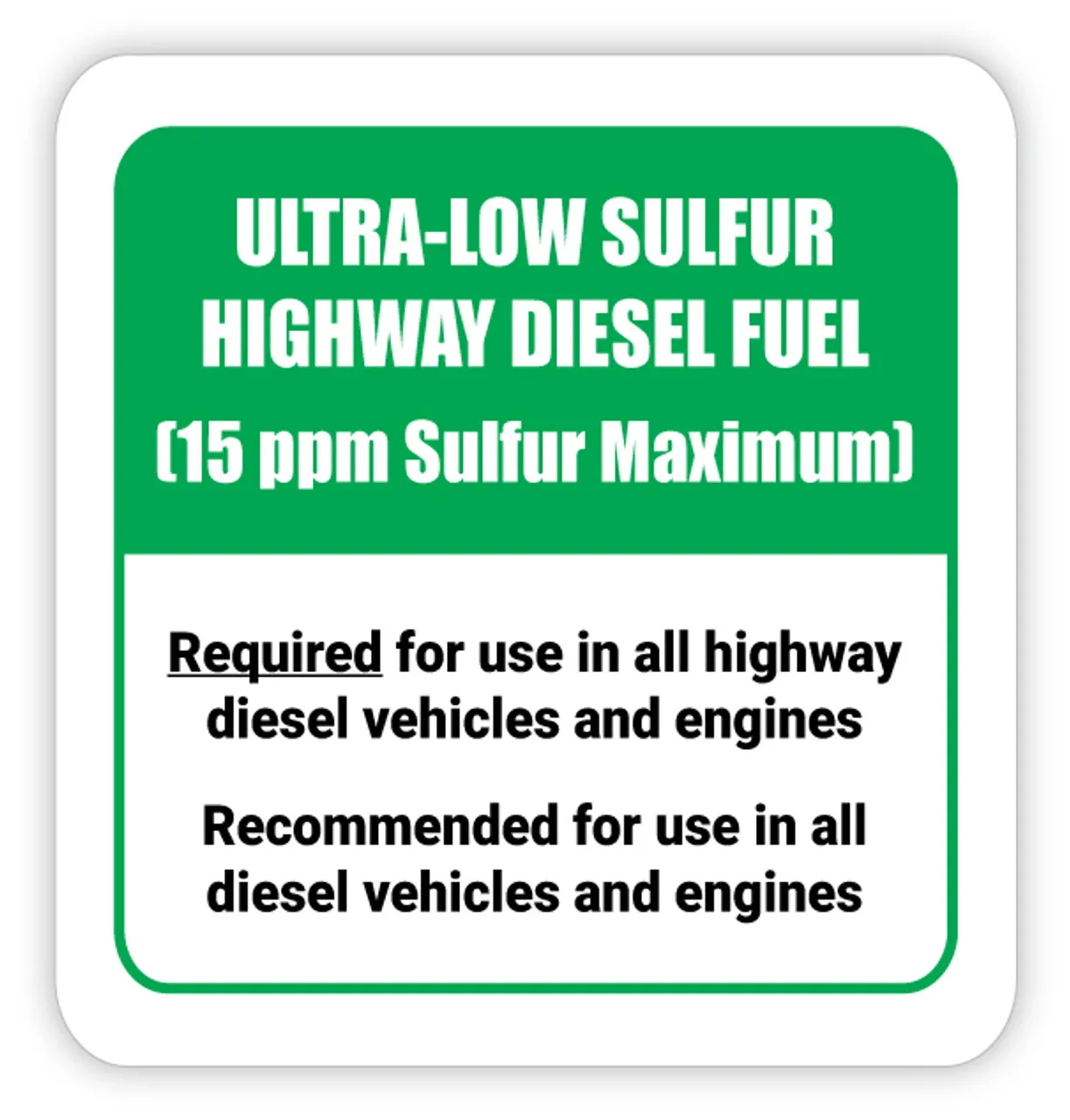
Since 2007, all highway diesel must be ULSD (15 ppm max). ULSD is safe for all diesel engines including pre-2007 T1N models. Look for the ULSD label on fuel pumps.
Cetane Number
Measures ignition ease. Affects cold starts, warm-up, and combustion smoothness. Minimum recommended: 40. Most reputable diesel fuels meet or exceed this.
Cleanliness
Absence of water and particulate contamination prevents filter clogging and injector damage. Replace fuel filters regularly and drain the fuel-water separator.
Lubricity
Protects fuel pumps and injectors from wear. Since 2005, lubricity additives are standard in road-use diesel. ULSD includes additives to maintain adequate lubricity.
Cold-Weather Operability
Fuel must flow without clogging filters at low temps. Wax crystals form at the cloud point. Winterized fuel or No. 1 blending helps. See cold weather section below.
Stability
Resistance to forming gums and oxidation products that plug filters. Important for stored fuel. Clean, cool, dry diesel stays usable for 6–12 months.
ULSD - Ultra Low Sulfur Diesel
Cold Weather Fuel Guide
Cloud Point & Wax
At low temperatures, wax crystals form in diesel fuel, measured by the "cloud point." These crystals clog fuel filters and prevent the engine from running. Strategies include blending with No. 1 diesel (ULSD only) or using wax-modifying additives to lower the cloud point.
Winter Fuel Blending
Non-winterized fuel is suitable above 10°F. Adding 15–20% No. 1 diesel reduces the cloud point by about 5°F. Never use kerosene, as its sulfur content is too high. Most fuel brands offer pre-winterized diesel in cold climates.
Vehicle Solutions
- Fuel heaters (block heater or in-line)
- Keep the engine running during extreme cold stops
- Park in heated garages when possible
- Drain the fuel-water separator regularly, as water freezes and clogs filters
Why Not No. 1 Exclusively?
No. 1 diesel has lower energy content (95% of No. 2), reducing fuel economy, and lower viscosity, providing less lubrication for fuel pumps and injectors. Use it only as a blend, not a replacement.
Troubleshooting Diesel Fuel Issues
Why Does My Diesel Engine Smoke?
- White smoke: Unburned fuel from misfiring at low temperatures. Should clear when warm. Persistent white smoke may indicate a bad glow plug or injector.
- Black smoke: Faulty injectors, insufficient air (clogged air filter), or overloading. Common during hard acceleration.
- Blue-gray smoke: Burning lubricating oil. Indicates worn piston rings, valve seals, or turbo seal failure.
Poor Engine Performance
Usually caused by water or dirt contamination from careless fuel handling. Keep fuel-tank caps, nozzles, and hoses clean. Drain water from storage and vehicle tanks regularly to prevent emulsion, corrosion, and microbial growth. Replace fuel filters on schedule; see our fluid capacities guide for intervals.
Fuel Filter Plugging
Can result from water, dirt, or wax crystals in cold temperatures. Keep fuel storage clean and dry, drain water regularly, and use winterized fuel in cold months. If plugging persists, check for microbial contamination (slimy residue).
Water Contamination
Water enters through condensation, transportation, faulty fill pipes, or careless handling. Causes injector corrosion, microbial growth, and filter plugging. Drain the T1N's fuel-water separator at every oil change. Use biocides if contamination is found.
Technical Reference
| Property | Details |
|---|---|
| Energy Content | No. 2-D: ~130,000 BTU/gal. No. 1-D: ~95% of No. 2. Higher specific gravity = more energy per gallon. |
| Flash Point | The temperature at which fuel vapors ignite under test conditions (~125–180°F for No. 2-D). Affects storage safety, not engine performance. A low flash point may indicate gasoline contamination. |
| Storage Life | 6 months to 1 year when kept clean, cool, and dry. Use fuel stabilizers and biocides for longer storage. Darkening color may indicate oxidation. |
| Fuel Color | Natural color does not affect performance. Darkening during storage may indicate oxidation or contamination. Red-dyed diesel is for off-road/heating use only (untaxed). |
| Lubricity | Measures fuel's ability to reduce pump and injector wear. Modern ULSD includes additives to ensure adequate lubricity (ASTM D 975). |
| Used Oil Blending | Never blend used lubricating oil with diesel fuel. Causes deposits, increased emissions, filter plugging, and regulatory non-compliance. |
| Diesel vs Heating Oil | Both are middle distillates but differ in specs and taxation. Heating oil/kerosene lacks cetane and cloud point specs, is dyed red, and is untaxed. Do not use in road vehicles. |
Recommended Fuel Additives
These products help maintain fuel system health, especially on high-mileage T1N engines.
*Affiliate links: purchases support the site at no cost to you.
Frequently Asked Questions
Questions About Diesel Fuel?
Get advice from experienced T1N owners who've dealt with fuel issues firsthand.
Ask the CommunitySome regulatory information may be outdated. Refer to Clean Diesel Fuel Alliance for the latest information.