Sprinter T1N Dash Lights Explained
Identify every dashboard warning light on your 2002–2006 T1N Sprinter: what it means, how urgent it is, and what to do.
Lights, gauges, and symbols covered
Require immediate attention
Schedule inspection promptly
Normal operation indicators
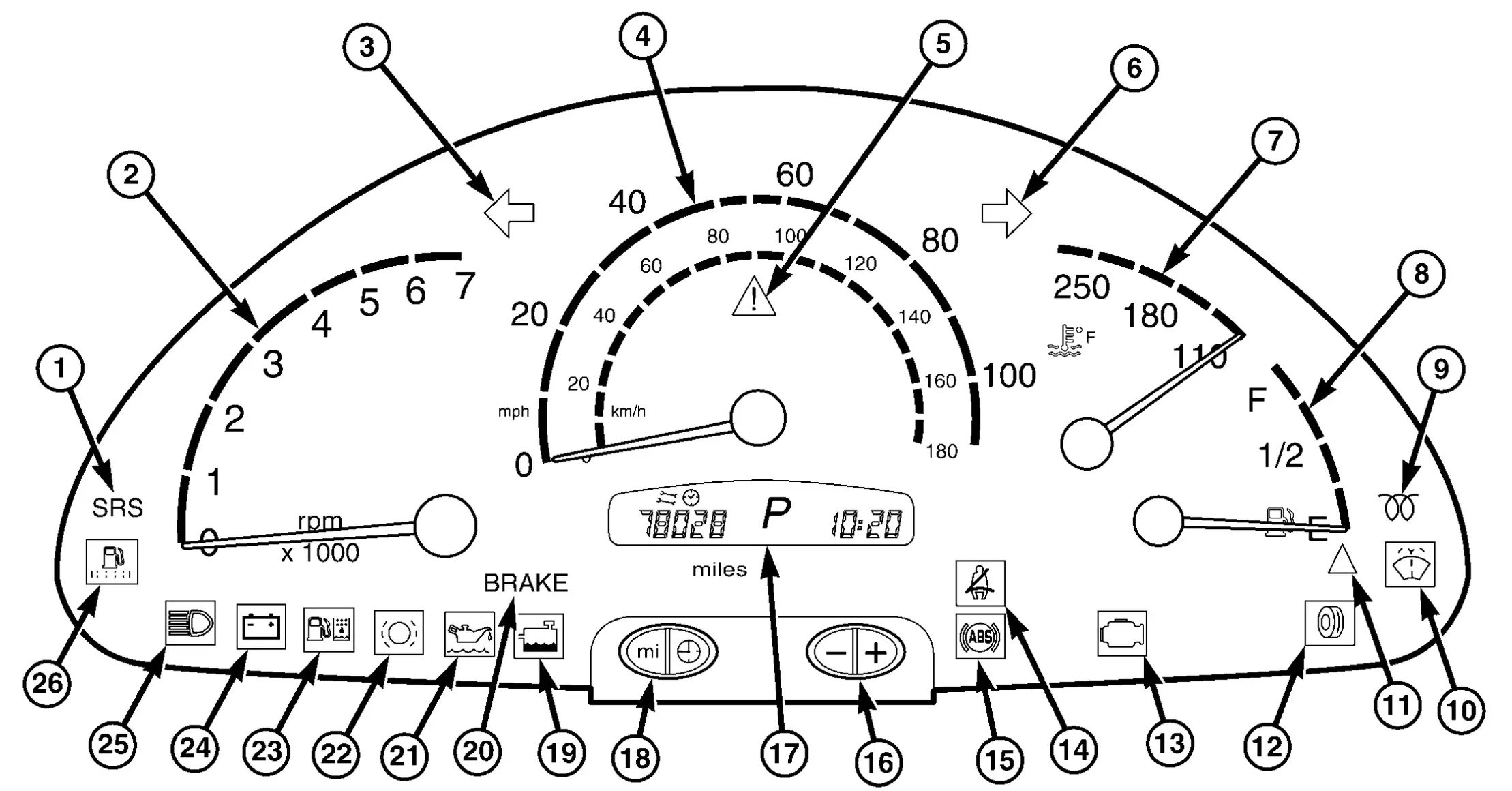
Critical - Stop or Act Immediately
These lights indicate serious safety or mechanical issues. Pull over safely and address them before continuing.
Engine Temperature
High reading = overheating. Pull over immediately, check coolant level, and inspect for leaks. Do not continue driving.
Oil Level / Pressure
Low oil detected. Stop immediately and check oil level. Do not drive if critically low. Engine damage can occur within minutes.
Brake System
Parking brake on, or brake system fault. Check that parking brake is released; inspect brake fluid level and pads.
Charging System
Alternator or battery issue: battery is not charging. Seek repair immediately; driving may drain battery completely.
Low Coolant
Top off coolant immediately and check for leaks. Do not drive with low coolant due to risk of overheating and head gasket damage.
Check Engine (MIL)
Engine or emissions fault detected. Use an OBD-II scanner to read codes. Common causes: glow plugs, MAF sensor, exhaust leaks.
Airbag
Fault in the airbag system. Airbags may not deploy in a crash. Schedule professional inspection immediately.
Brake Wear
Brake pads are worn beyond safe limits. Inspect and replace promptly, as braking performance is compromised.
Water in Fuel
Water detected in the fuel system. Drain the fuel-water separator immediately to prevent injector damage.
Caution - Service Soon
These lights indicate issues that need attention soon but may not require an immediate stop.
ABS
Anti-lock braking system fault. Normal braking still works but ABS won't activate. Check ABS sensors for corrosion or debris.
ESP
Electronic Stability Program fault or activation. If flashing, the system is actively correcting. If solid, inspect the system.
Transmission
Transmission issue detected. Check fluid level and condition. Seek professional diagnosis and avoid aggressive driving.
Fuel Filter Clogged
Fuel filter needs replacement to prevent engine fuel starvation. Replace as soon as possible.
Low Fuel
Fuel level is low. Refuel soon, as running a diesel dry can introduce air into the fuel system, requiring bleeding.
Washer Fluid Low
Windshield washer fluid reservoir is low. Refill for visibility safety.
Wait-to-Start
Glow plugs are preheating. Wait until this light turns off before cranking. If it stays on while driving, a glow plug may have failed.
Glow Plug
Glow plug system status. Normal at startup; if flashing while driving, one or more glow plugs may need replacement.
Informational - Normal Operation
These indicators show normal system status and don't require action unless behaving abnormally.
Tachometer
Displays engine RPM. Should stay within normal range during driving. Erratic readings may indicate a sensor issue.
Speedometer
Shows vehicle speed. If erratic or stuck, check the speed sensor or wiring connections.
Fuel Gauge
Monitors fuel level. Refuel when nearing empty. Erratic readings may indicate a faulty fuel level sender.
Left Turn Signal
Flashes when left turn signal is active. If rapid-flashing, a bulb may be out.
Right Turn Signal
Flashes when right turn signal is active. Rapid-flashing indicates a blown bulb.
Turn Indicator (Alt)
Secondary turn signal indicator on the cluster. Verify it matches the primary indicators.
Seatbelt
Reminds driver/passengers to fasten seatbelts. Ensure all occupants are buckled.
Low Beams
Low beam headlights are active. Check bulbs if not illuminating.
High Beams
Blue light indicates high beams are active. Remember to switch off for oncoming traffic.
Common Troubleshooting Scenarios
ABS + Brake + ESP All On
These three lights appearing together usually point to a faulty brake pedal switch or a corroded ABS wheel speed sensor. The brake pedal switch feeds data to all three systems. Check for corrosion/debris on ABS sensors, test the brake light switch, and scan with OBD-II.
Warnings After LED Upgrade
LED bulbs draw less current than factory incandescent ones, causing the ECU to think a bulb has failed. This can trigger ABS, ESP, or brake warnings. Install LED load resistors to match factory draw, or revert to OEM bulbs.
Preventing Electrical Issues That Trigger Dash Lights
Many warning lights are triggered by aftermarket modifications or electrical faults from DIY upgrades. Wire it right and avoid false alarms.
Load Resistors for LEDs
LED bulbs draw less current, triggering false warnings. Install load resistors to match factory electrical draw and prevent ECU fault codes.
Dedicated Fuse Block
Run accessories from a Blue Sea Systems fuse block instead of tapping factory wiring. Prevents parasitic drain and fault codes from fans, lights, and USB chargers.
Proper Grounding
Poor or shared grounds cause flickering lights and ESP/ABS faults. Ground to clean bare-metal chassis points or use a bus bar with a dedicated ground return.
Scan Before Guessing
Use an OBD-II scanner to read codes before replacing parts. Pinpoints whether the issue is wiring-related or a genuine sensor failure.
Protect Wiring
Use split loom tubing and cable ties to shield new wiring from sharp edges and vibration. Many warnings stem from shorts or damaged insulation.
Wiring Reference
Planning an electrical mod? Check our wiring harness reference guide for T1N switch and control identifiers.
*Some product links are affiliate links. We may earn a commission at no cost to you.
Frequently Asked Questions
Still Confused by a Dash Light?
Join the T1N Sprinter community for expert advice and troubleshooting help.
Ask the Community* Always consult your T1N Sprinter service manual or a professional technician for unfamiliar warning lights.